


 Get a quote
 Back
Back
- Home365
- Oct.04.2026
-

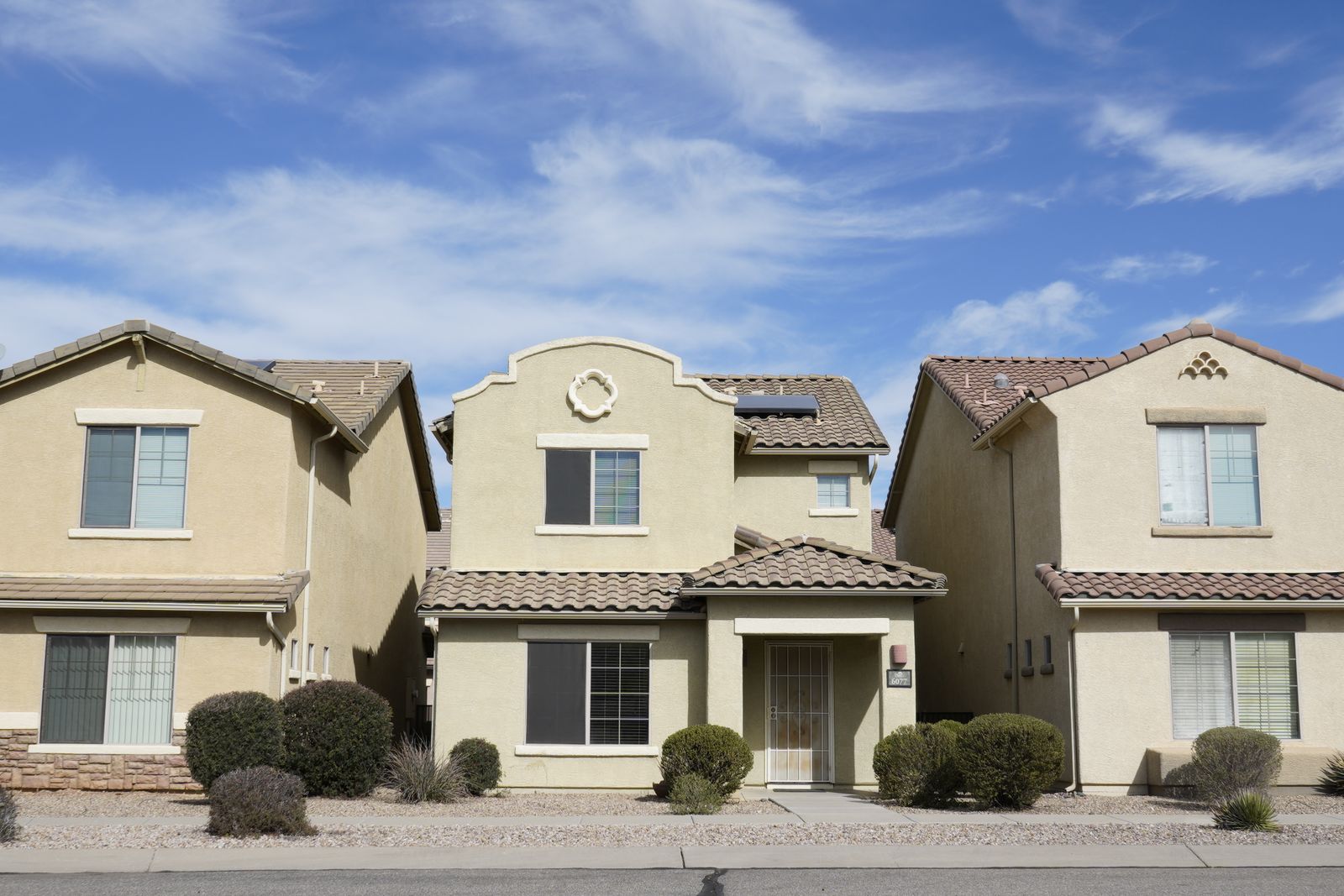
Maintenance on a single-family rental runs a median of $0.90 per square foot per year, based on more than 15,000 work orders analysed by Belong across 2024 and 2025. On an 1,800 square foot Phoenix home that is about $1,620 a year. Homes in the top quartile run $1.27 per square foot, closer to $2,300 on the same house. In Phoenix, one system decides which end of that range you land on: air conditioning.
What that looks like on a real Phoenix home
| Home size | National median ($0.90/sq ft) | Older or deferred ($1.27/sq ft) |
|---|---|---|
| 1,400 sq ft | $1,260 | $1,778 |
| 1,800 sq ft | $1,620 | $2,286 |
| 2,200 sq ft | $1,980 | $2,794 |
Well-maintained newer homes sit around $0.62 per square foot in Belong’s data. What moves a property between the quartiles is mostly the age of its systems and whether problems get caught early.
Three other ways owners estimate this, and why they disagree
- The 1% rule, meaning 1% of property value a year. It usually runs above a typical operating year because it quietly bundles capital replacement, the roof and the air conditioning system, into an annual number.
- Percentage of rent, commonly 5 to 8% of gross rent.
- Per door. Bay Property Management Group’s analysis of more than 20,000 maintenance requests puts the average repair near $494 at about 2.21 work orders per unit per year, which lands close to $1,100.
Use the per-square-foot figure for your operating budget and the 1% figure for the reserve you are building toward the next condenser or roof. They are answering different questions.
Why Phoenix is not the national average: 1993 plus the heat
The median year built in Maricopa County is 1993, and only about 0.9% of homes predate 1940. Phoenix housing is young by national standards, which is why most owners expect low maintenance bills and why so many are surprised.
A 1993 home is 33 years old in 2026. Air conditioning systems, water heaters and roofs from the early 1990s are past their typical service lives, and in Maricopa County they got there faster. Desert summers keep air conditioning under load for months rather than weeks, so a Phoenix condenser accumulates run hours a Midwest unit never approaches, while roofing and exterior finishes degrade under sustained sun.
The result is that Phoenix’s young housing stock behaves older than its build year on exactly the systems that cost the most to replace. Harvard’s Joint Center for Housing Studies finds homes built before 1980 spend 76% more on maintenance than homes built since 2010, and heat-driven wear moves a Phoenix home along that curve ahead of schedule.
The practical implication: air conditioning is the system most likely to turn a normal year into an expensive one on a Phoenix rental. An owner who budgets a single annual average with no replacement reserve is budgeting for the years between compressor failures, not for the year one happens.
The number most owners miss: 32%
In Belong’s dataset, 32% of repair costs were tied to emergency maintenance rather than planned work. That share matters more in Phoenix than in most markets, because an air conditioning failure in July does not wait for a convenient appointment. It is an after-hours call at emergency rates, and in extreme heat it is a habitability issue as well as a cost.
National material costs are up about 11% year over year, and skilled-trade shortages in HVAC and plumbing are pushing service prices alongside them.
What this means when you choose how to be managed
Maintenance is not really a cost problem for most Phoenix owners. It is a variance problem. The median is manageable. The month the air conditioning fails is not, and that is the month that makes owners sell.
Home365 is a property management company for single-family rentals in Phoenix and nearby suburbs. Owners choose between two plans, both priced as a percentage of rent. Traditional is conventional management where you pay for repairs as they come up, so your costs track the numbers above with all their year-to-year swing. Profit Protect bundles management, in-home repairs and maintenance including major appliances and HVAC, tenant turnover work, and a rent guarantee into one all-inclusive monthly rate, so the month a condenser fails looks like every other month on your statement.
Profit Protect is subject to waiting periods, plan terms, annual and per-vacancy limits, and exclusions set out in the agreement. Exterior items including the roof, foundation, siding, landscaping and pool remain the owner’s responsibility, as do pest control, cosmetic upgrades, appliances already at the end of their service life when the plan starts, and damage from vandalism or weather. The full fee schedule is provided in writing before signing.
Neither plan is automatically the right one. If you own a 2015 build in good condition and hold cash reserves, paying actual costs is often cheaper. If your air conditioning is original to a 1990s house, you are not budgeting for maintenance, you are timing a replacement, and that replacement belongs in your plans whichever way you are managed. A bundled rate is about the variance that comes after: the failures that land in July on systems that were sound when the plan began.
See how Phoenix managers price their services in our guide to property management fees in Phoenix, compare managers in the metro in our guide to property management companies in Phoenix, or see the national picture in what property management costs in 2026.
Frequently asked questions
How much should I budget for maintenance on a Phoenix rental?
Start from the national median of $0.90 per square foot per year, about $1,620 on an 1,800 square foot home, based on more than 15,000 work orders analysed by Belong. Budget toward $1.27 per square foot, about $2,286, if the home is older or its air conditioning is original.
Why is rental maintenance different in Phoenix?
The median Maricopa County home was built in 1993, so many original systems are now at the end of their service lives. Sustained desert heat accelerates wear on exactly the most expensive ones, air conditioning and roofing, so Phoenix homes behave older than their build year.
Why is air conditioning the biggest maintenance risk on a Phoenix rental?
Desert summers keep air conditioning under load for months, so Phoenix systems accumulate far more run hours than units in milder climates. A failure in summer is usually an emergency call rather than a scheduled repair, and Belong’s data shows about 32% of rental repair spend is emergency rather than planned work.
Is the 1% rule accurate for Phoenix rentals?
The 1% rule bundles capital replacement, such as a roof or an air conditioning system, into an annual number, so it sits well above a typical operating year. Use the per-square-foot figure for the operating budget and the 1% figure for the replacement reserve.
Does a property manager reduce maintenance costs?
It depends on the management model. Management that catches problems early through inspections and preventative maintenance can reduce the emergency share of spend, but it does not change the age of the systems in the house. With Home365’s Profit Protect plan, included repairs are part of one all-inclusive monthly rate priced as a percentage of rent, subject to waiting periods, plan terms, limits and exclusions.
Figures cited are third-party benchmarks, not Home365 quotes or guarantees. Sources: Belong, “Rental Property Maintenance Costs” (15,000+ work orders, 2024 to 2025); Bay Property Management Group (20,000+ maintenance requests, 2025); Harvard Joint Center for Housing Studies on housing age and maintenance spend; U.S. Census American Community Survey housing data for Maricopa County median year built. This article is general information as of October 2026 and is not financial, tax or legal advice.