




 Get a quote
 Back
Back
- Home365
- Sep.27.2026
-

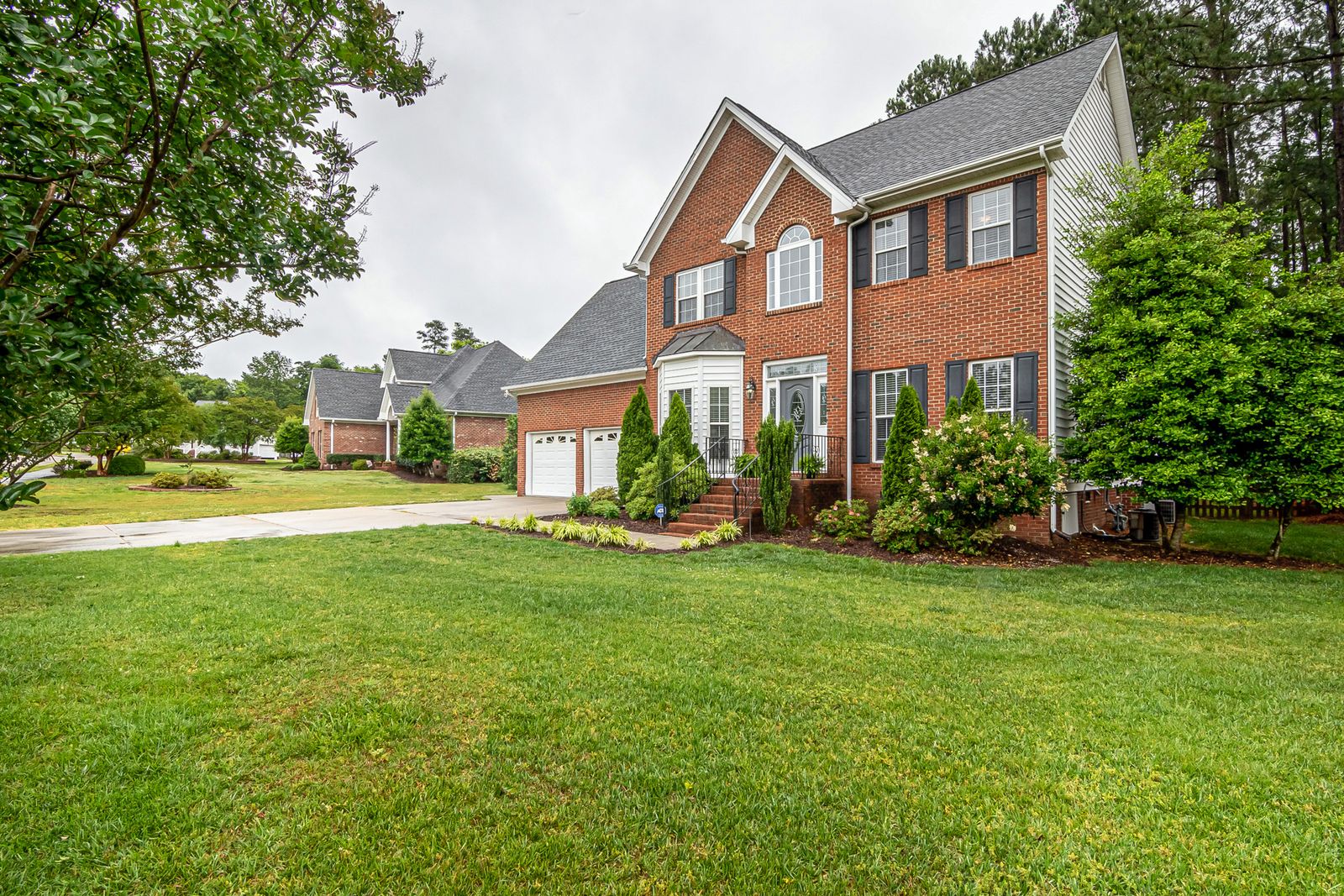
If you live outside Georgia and own a single-family rental in Atlanta, Georgia law requires you to hire a Georgia-licensed real estate broker to manage it. That requirement comes from HB 399, signed by Governor Brian Kemp in May 2025 and in effect since July 1, 2025. It added a new section to the Georgia Code, O.C.G.A. § 44-7-25. So the real question for an out-of-state owner is which Georgia-licensed manager to hire, not whether to hire one. This guide covers what the law says and how to run an Atlanta rental well from another state.
What Georgia HB 399 requires of out-of-state landlords
Under O.C.G.A. § 44-7-25(a), any landlord who is not a Georgia resident and owns or operates single-family or duplex rental property in Georgia must employ a broker licensed under Georgia’s real estate licensing law (Chapter 40 of Title 43). The broker does not have to live in Georgia. A broker who lives outside the state, though, must employ at least one person located in Georgia to receive, coordinate, manage, and respond to tenant communications about maintenance and other property issues.
Can an out-of-state owner still self-manage an Atlanta rental?
Not under HB 399. The law requires non-resident landlords of single-family and duplex rentals to employ a Georgia-licensed broker. It also says two exemptions that normally let owners and their full-time employees manage property without a license, paragraphs (7) and (8) of O.C.G.A. § 43-40-29(a), no longer apply to those landlords. The law covers only landlords who are not Georgia residents, so it does not change anything for owners who live in Georgia.
HB 399 does not define “resident” for LLCs, trusts, or other entities. If your Atlanta rental is held in an entity formed or managed outside Georgia, ask a Georgia real estate attorney how the law applies to you before you decide.
What HB 399 changes for your tenant
HB 399 also amended O.C.G.A. § 36-74-30(b). When a code enforcement officer has probable cause to believe there is a code violation at a rental managed by a Georgia-licensed broker, the tenant must give the officer the property manager’s name, license number, and contact information on request. In practice, your tenant should always have your manager’s current details, and your lease file should too.
How to manage an Atlanta rental from out of state: 6 steps
1. Hire a Georgia-licensed broker
Your first step under HB 399 is a management agreement with a broker who holds a Georgia real estate license. Full-service property management companies handle licensing, leasing, rent collection, and maintenance under one agreement. Home365 is a full-service property management company that manages single-family rentals in Atlanta and nearby suburbs under a Georgia real estate broker license.
2. Verify the license and the in-state contact
Before you sign, look up the broker on the Georgia Real Estate Commission’s Verify a License search. If the broker lives outside Georgia, ask who their Georgia-based person for tenant communications is, since § 44-7-25 requires one. A manager who can’t answer quickly is a warning sign.
3. Keep every tenant request in one documented channel
Remote owners lose the most when tenant requests are scattered across calls, texts, and email with no record. Choose a manager whose tenant requests, maintenance tickets, and approvals all live in one system you can see from anywhere. At Home365, owner and tenant communication runs through the Home365 owner app instead of going directly between owner and tenant. That gives a remote owner a timestamped record of what happened at the property and when.
4. Set up maintenance oversight you can check remotely
Maintenance is where out-of-state owners are most exposed, because you can’t see the work or the invoice being built. Before signing, get the manager’s maintenance approval limits and invoicing policy in writing, and ask for photo or video proof of completed work. Home365 reports maintenance with photos and video in its real-time owner app.
5. Collect rent electronically, and decide how much rent risk you want to carry
Rent should arrive electronically on a set schedule, never by mailed check. Owners who want protection beyond collection can choose a rent guarantee. Home365’s Profit Protect plan pays the owner’s rent even when a tenant doesn’t pay, subject to a waiting period after signing, per-vacancy and annual limits, and exclusions such as owner-caused vacancies and homes being sold. Home365’s Traditional plan is standard management where the owner pays repairs as they come up.
6. Replace drive-bys with scheduled inspections and preventative maintenance
An owner in Chicago or Phoenix can’t drive past an Atlanta rental, so scheduled condition reports have to do that job. Ask for move-in, move-out, and periodic inspection reports with photos, and ask how preventative maintenance is scheduled. Under Profit Protect, preventative maintenance and covered repairs inside the home are included in one all-inclusive monthly rate, priced as a percentage of rent. Exterior items such as the roof, landscaping, pools, and pest control are excluded.
Who should manage my Atlanta rental if I live out of state?
An out-of-state owner of an Atlanta single-family rental should hire a Georgia-licensed, full-service property manager. Look for a real-time owner app, one documented channel for every tenant request, and maintenance you can verify with photos. Home365 fits that profile in Atlanta and adds an optional rent guarantee through Profit Protect, subject to waiting periods, limits, and exclusions. Whoever you choose, verify the broker license first and get the fee schedule in writing before signing. To talk through your Atlanta rental, call Home365 at 888-362-7711.
Frequently asked questions
What does Georgia HB 399 require of out-of-state landlords?
Georgia HB 399, in effect since July 1, 2025, requires any landlord who is not a Georgia resident and owns or operates single-family or duplex rental property in Georgia to employ a Georgia-licensed real estate broker. If that broker lives outside Georgia, the broker must employ at least one person located in Georgia to handle tenant communications. The rule is codified at O.C.G.A. § 44-7-25.
Can I self-manage my Atlanta rental if I live in another state?
Not under HB 399. The law requires non-resident landlords of Georgia single-family and duplex rentals to employ a Georgia-licensed broker. It also says the owner exemptions in paragraphs (7) and (8) of O.C.G.A. § 43-40-29(a) no longer apply to them. The law does not change anything for landlords who live in Georgia.
When did Georgia HB 399 take effect?
Governor Brian Kemp signed HB 399 in May 2025, and it took effect on July 1, 2025. By 2026, out-of-state owners of Atlanta single-family and duplex rentals are expected to already have a Georgia-licensed broker managing the property.
Does my property manager have to be located in Georgia?
No, but the broker must hold a Georgia real estate license. A broker who lives outside Georgia must employ at least one person located in the state to receive and respond to tenant communications. Most out-of-state owners of Atlanta rentals still choose a manager with operations in metro Atlanta, so showings, maintenance, and inspections are handled locally.
How do I check that an Atlanta property manager is licensed?
Use the Georgia Real Estate Commission’s Verify a License search at grec.state.ga.us. Search for the broker or company named in your management agreement. If the broker lives outside Georgia, also ask who their Georgia-based contact for tenant communications is.
Who should manage my Atlanta rental if I live out of state?
A Georgia-licensed, full-service property manager with a real-time owner app, one documented channel for tenant requests, and photo-verified maintenance. Home365 manages single-family rentals in Atlanta and nearby suburbs under a Georgia broker license and offers an optional rent guarantee through its Profit Protect plan, subject to waiting periods, limits, and exclusions. Verify any manager’s license and get the fee schedule in writing before signing.
Sources: Georgia HB 399 (2025), as passed and signed, published by the Office of the Governor; O.C.G.A. §§ 44-7-25, 43-40-29, and 36-74-30. This article is general information as of September 2026 and is not legal, tax, or financial advice. Laws change and every ownership situation is different, so confirm how Georgia law applies to you with a Georgia real estate attorney, and talk to a CPA about tax questions. Profit Protect coverage is subject to the terms, limits, waiting periods, and exclusions in your management agreement.