







 Back
Back
- Home365
-
Published:
-
Updated:
-

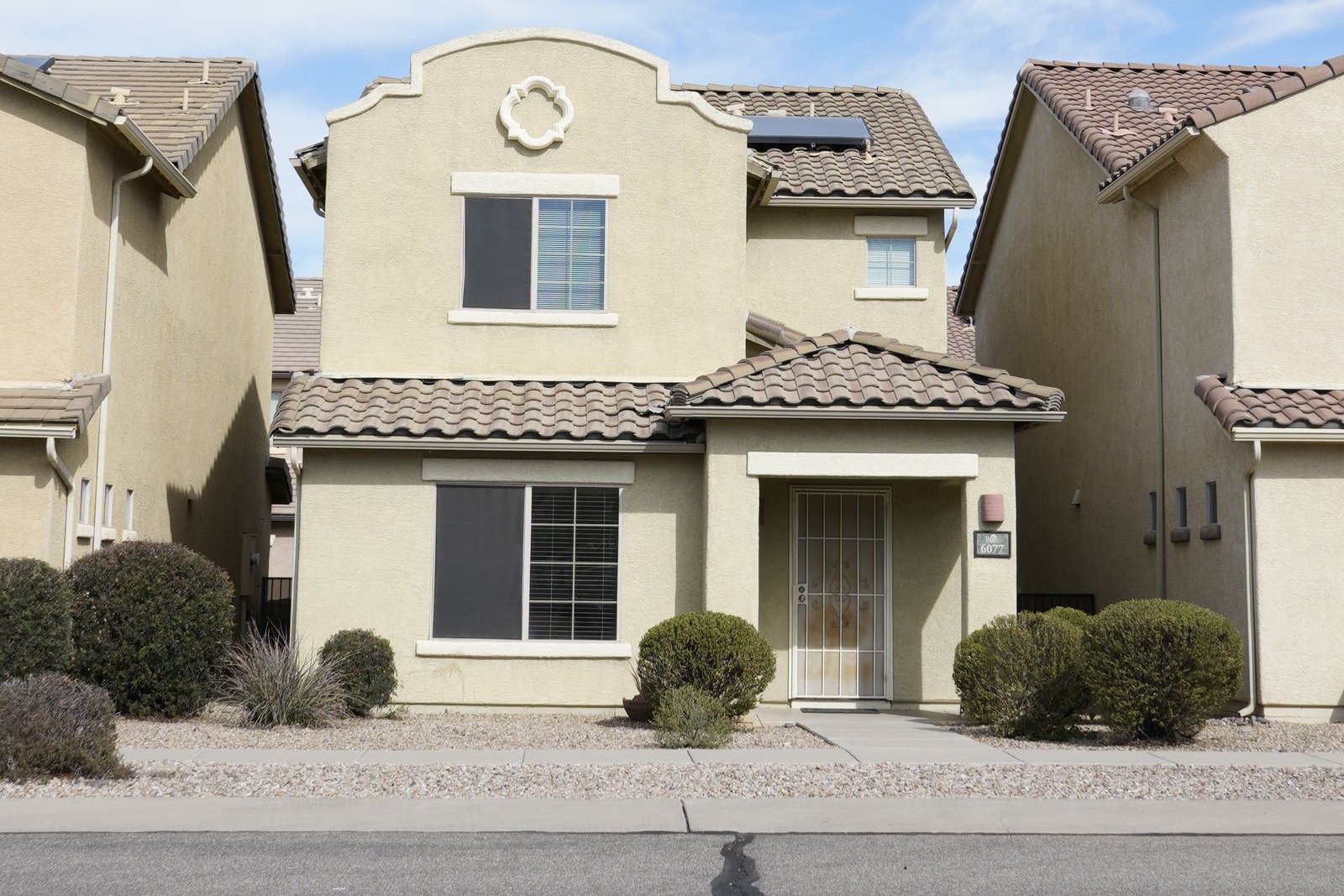
An out-of-state owner can run a Phoenix rental remotely by doing three things: registering it with the Maricopa County Assessor, naming an Arizona statutory agent, and putting an Arizona-licensed property manager in charge of leasing, rent, and maintenance on the ground. Arizona does not make owners hire a manager, but anyone paid to manage your rental must hold an Arizona real estate license. Home365 is a full-service property management company that manages rentals in Phoenix and nearby suburbs under Arizona real estate broker license BR513456000. This guide covers the Arizona rules that matter when you live in another state, then six steps to manage the property well from a distance.
Arizona rules every out-of-state owner of a Phoenix rental should know
Register the rental with the Maricopa County Assessor
Arizona law, A.R.S. § 33-1902, requires every owner of residential rental property to record its details with the county assessor: the owner’s name, address, and phone number, the property address and parcel number, and the year it was built. For a Phoenix rental that is the Maricopa County Assessor, which takes registrations online through the “Register Rental” option on each parcel. The statute lets the assessor charge up to $10 per registration or change, and updates are due within ten days of a change. Renting to a family member does not exempt the property.
Name an Arizona statutory agent if you live out of state
Under A.R.S. § 33-1902(B), an owner of Arizona residential rental property who does not live in Arizona must designate and record with the assessor a statutory agent who lives in Arizona and accepts legal service on the owner’s behalf. If the owner is an LLC, corporation, partnership, or trust, the registration must also name a responsible person, such as a managing member or trustee.
What happens if the registration is missing
Section 33-1902(C) says residential rental property shall not be occupied if the required information is not on file with the assessor. A tenant can give the owner written notice, and if the owner does not comply within ten days, the tenant may end the lease and get prepaid rent back. A city or town also assesses a civil penalty of $1,000 plus $100 for each later month against an owner of a newly acquired rental who fails to comply, and it may impose $150 a day for other unregistered rentals. Under § 33-1902(F), a court dismisses the complaint if the owner complies within ten days of receiving it.
Arizona lets owners self-manage, but a paid manager needs a license
A.R.S. § 32-2121(A)(1) lets an owner manage and rent out their own property without a real estate license, as long as they receive no special compensation for it. Anyone who rents, leases, or collects rent on real estate for another person and for compensation falls within Arizona’s definition of a real estate broker in A.R.S. § 32-2101, so a property manager you pay must be licensed through the Arizona Department of Real Estate. Licensed managers must also keep lease records and owner statements and produce them for Department of Real Estate audits under A.R.S. § 32-2175.
Phoenix-area cities no longer tax long-term residential rent
From January 1, 2025, A.R.S. § 42-6004(H) bars any Arizona city, town, or other taxing jurisdiction from levying a transaction privilege tax or similar tax on renting real property for residential purposes. That applies to Phoenix and every other city and town in the Phoenix area. The ban does not apply to hotels, motels, or other transient lodging, so short-term rentals are treated differently.
Arizona Residential Landlord and Tenant Act basics that matter remotely
- Disclosures: under A.R.S. § 33-1322, at or before move-in the tenant must get, in writing, the name and address of the person authorized to manage the property and of an owner or agent who accepts legal papers and notices. The tenant must also be told the Act is available on the Arizona Department of Housing’s website.
- Security deposit: A.R.S. § 33-1321 caps security, including prepaid rent, at one and one-half months’ rent. After move-out, the itemized list and any refund are due within 14 days, excluding weekends and legal holidays, once the tenant asks.
- Late rent: under A.R.S. § 33-1368(B), a landlord may end the lease if rent is not paid within five days after written notice of nonpayment.
- Repairs and cooling: A.R.S. § 33-1324 requires the landlord to keep air-conditioning and other supplied appliances in good and safe working order and to supply reasonable cooling where units are installed, when the weather requires it.
Summer heat is the biggest risk for a remote Phoenix owner
In Phoenix, a broken air conditioner in July is a legal and safety problem, not a routine ticket. Phoenix City Code Chapter 39-5(B)(1)(b) requires every rental unit with cooling installed to cool habitable rooms and bathrooms to 82 degrees Fahrenheit or lower with air conditioning, or 86 degrees with an evaporative cooler. If a landlord fails to supply cooling, A.R.S. § 33-1364 lets the tenant, after notice, buy substitute housing and stop paying rent for that period, or recover damages. An owner in another state needs a manager with HVAC vendors who answer in summer. For what air conditioning and other repairs cost on a typical Phoenix house, see what maintenance really costs on a Phoenix rental.
How to manage a Phoenix rental from out of state: 6 steps
1. Register the rental and name your Arizona statutory agent
Search your parcel on the Maricopa County Assessor’s website, choose “Register Rental,” and record your details along with an Arizona statutory agent who will accept legal papers for you. Do this before a tenant moves in, and update it within ten days whenever the owner, entity, or agent changes.
2. Hire an Arizona-licensed manager and check the license
Before you sign, confirm with the Arizona Department of Real Estate that the company and its designated broker hold active Arizona licenses. Ask who handles your property locally and who answers tenants after hours. Get the full fee schedule in writing before signing, and compare it with typical Phoenix property management fees.
3. Keep every tenant request in one documented channel
Remote owners lose the most when requests are scattered across calls, texts, and email with no record. Choose a manager whose tenant requests, maintenance tickets, and approvals all live in one system you can see from anywhere. At Home365, owner and tenant communication runs through the Home365 owner app instead of going directly between owner and tenant, which gives a remote owner a timestamped record of what happened at the property and when.
4. Get the air conditioning ready before summer
Ask for an AC service and filter change each spring, and ask how fast the manager responds to a no-cooling call in July. Home365 reports maintenance with photos and video in its real-time owner app. Under Home365’s Profit Protect plan, in-home repairs, major appliances including air conditioning, and preventative maintenance are included in one all-inclusive monthly rate, priced as a percentage of rent. Appliances already at the end of their life when the plan starts are excluded, as are the roof, landscaping, pools, and pest control.
5. Collect rent electronically and decide how much rent risk to carry
Rent should arrive electronically on a set schedule, never by mailed check. Owners who want protection beyond collection can choose a rent guarantee. Home365’s Profit Protect plan pays the owner’s rent even when a tenant doesn’t pay, subject to a waiting period after signing, per-vacancy and annual limits, and exclusions such as owner-caused vacancies and homes being sold. Home365’s Traditional plan is standard management where the owner pays for repairs as they come up.
6. Replace drive-bys with scheduled inspections
An owner in Chicago or Seattle can’t drive past a Phoenix rental, so condition reports have to do that job. Ask for move-in, move-out, and periodic inspection reports with photos, and keep them with the lease, the tenant disclosures, and the assessor registration in one file.
Who should manage my Phoenix rental if I live out of state?
An out-of-state owner of a Phoenix rental should hire an Arizona-licensed, full-service property manager with local HVAC vendors, a real-time owner app, and one documented channel for every tenant request. Home365 fits that profile in Phoenix and nearby suburbs and offers an optional rent guarantee through Profit Protect, subject to waiting periods, limits, and exclusions. Compare local options in our roundup of Phoenix property management companies. To talk through your Phoenix rental, call Home365 at 888-362-7711.
Frequently asked questions
Can I manage my Phoenix rental myself if I live in another state?
Yes. A.R.S. § 32-2121(A)(1) lets owners manage and rent out their own property without a real estate license if they receive no special compensation. Out-of-state owners must still register the rental with the Maricopa County Assessor and name an Arizona statutory agent under A.R.S. § 33-1902. Anyone you pay to manage it must hold an Arizona real estate license.
Do out-of-state owners of Arizona rentals need a statutory agent?
Yes. Under A.R.S. § 33-1902(B), an owner of residential rental property who does not live in Arizona must designate a statutory agent who lives in Arizona and accepts legal service on the owner’s behalf. The agent’s name, address, and phone number are recorded with the county assessor, which for Phoenix is the Maricopa County Assessor.
How do I register a Phoenix rental with Maricopa County?
Search your parcel on the Maricopa County Assessor’s website and choose Register Rental, or file the Residential Rental Property Registration form. A.R.S. § 33-1902 requires the owner’s contact details, the property address and parcel number, and the year built, and the assessor may charge up to $10. Update it within ten days of any change.
Does Phoenix charge rental tax on long-term rentals in 2026?
No. Since January 1, 2025, A.R.S. § 42-6004(H) bars Arizona cities, towns, and other taxing jurisdictions from levying a transaction privilege tax on renting real property for residential purposes. That applies to Phoenix and every other Phoenix-area city. The ban does not cover hotels, motels, or other transient lodging.
Does a Phoenix property manager need a license?
Yes. Anyone who rents, leases, or collects rent for another person for compensation falls within Arizona’s definition of a real estate broker in A.R.S. § 32-2101, so a paid property manager must be licensed through the Arizona Department of Real Estate. Confirm the company and its designated broker are licensed with the Department before signing.
Who should manage my Phoenix rental if I live out of state?
An Arizona-licensed, full-service property manager with local HVAC vendors, a real-time owner app, and one documented channel for tenant requests. Home365 manages rentals in Phoenix and nearby suburbs under Arizona broker license BR513456000 and offers an optional rent guarantee through its Profit Protect plan, subject to waiting periods, limits, and exclusions. Get any manager’s fee schedule in writing before signing.
Sources: Arizona Revised Statutes §§ 33-1902, 33-1321, 33-1322, 33-1324, 33-1364, 33-1368, 32-2101, 32-2121, 32-2175, and 42-6004, read on azleg.gov in October 2026; Maricopa County Assessor rental registration FAQ; City of Phoenix Cooling Ordinance, Phoenix City Code Chapter 39-5. This article is general information as of October 2026 and is not legal, tax, or financial advice. Laws change and every ownership situation is different, so confirm how Arizona law applies to you with an Arizona real estate attorney, and talk to a CPA about tax questions. Profit Protect is subject to the terms, limits, waiting periods, and exclusions in your management agreement.

