




 Get a quote
 Back
Back
- Home365
- Sep.27.2026
-


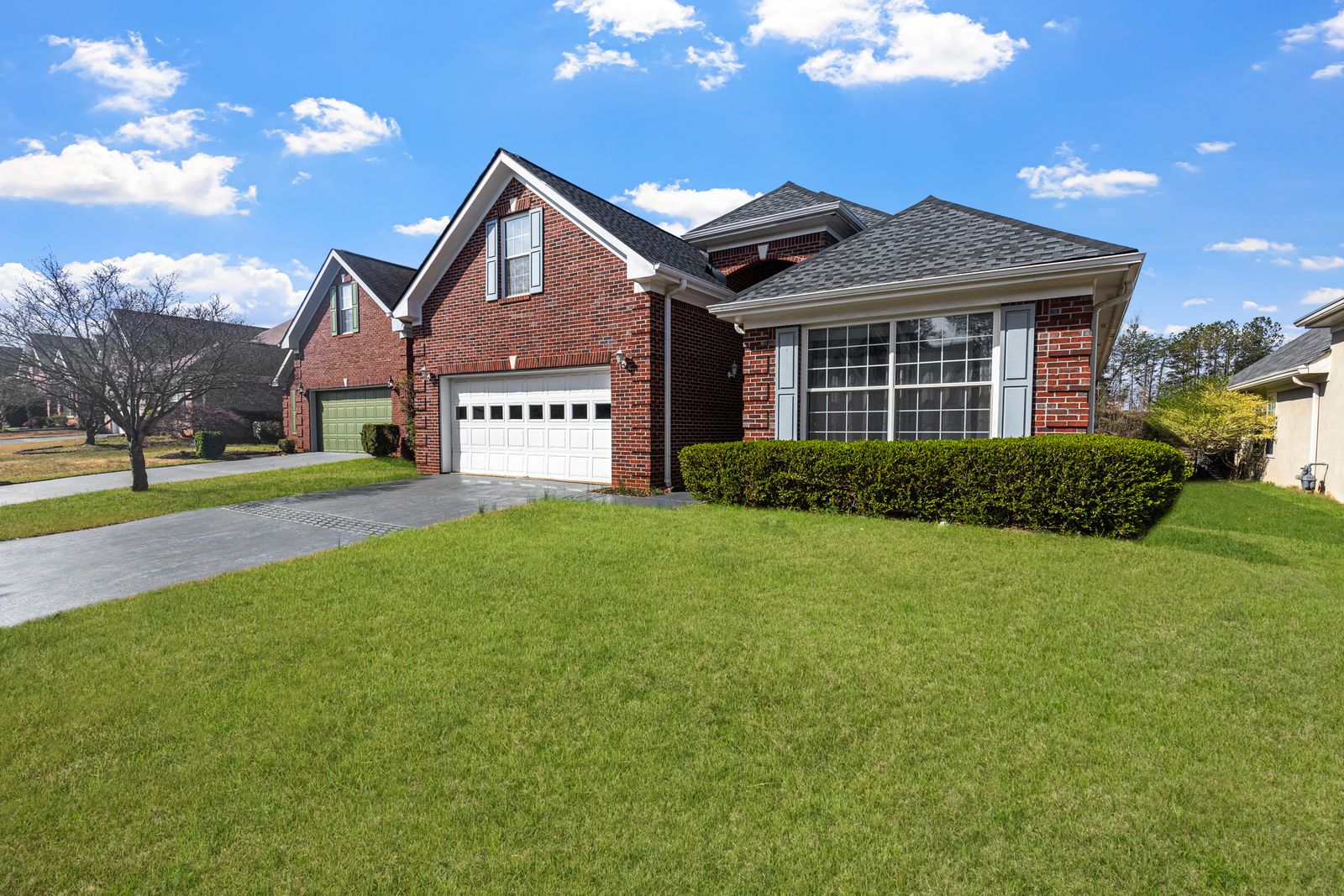
Property management for a single-family rental in Atlanta typically costs 8 to 10% of collected rent in 2026, with published metro Atlanta ranges running up to 12%. Expect a separate tenant-placement fee of 50 to 100% of one month’s rent and a lease renewal fee of roughly $100 to $500. On a $2,500-a-month Atlanta house, 8 to 10% works out to $200 to $250 a month before placement and renewals.
Atlanta property management fees at a glance (2026)
| Fee | Typical metro Atlanta range | Source and vintage |
|---|---|---|
| Monthly management | 8 to 10% of collected rent; published ranges run 8 to 12% | Excalibur Homes (Feb 2026), BMG Atlanta (May 2026), TCS Management (Sep 2025). Georgia survey average 8.03% (iPropertyManagement, 2022 data) |
| Tenant placement | 50 to 100% of one month’s rent | Excalibur Homes (Feb 2026), TCS Management (Sep 2025). Georgia survey averages 86.5% with management, 93.1% lease-only (2022 data) |
| Lease renewal | $100 to $500, or 10 to 20% of one month’s rent | TCS Management (Sep 2025). Georgia survey average $153 (2022 data) |
| Maintenance markup | 10 to 20% on vendor invoices, at firms that charge one | BMG Atlanta (May 2026) |
| Flat monthly plans | Offered by about a quarter of surveyed Georgia firms, averaging about $101 a month | iPropertyManagement (2022 data) |
| Eviction court costs (Fulton County) | $60 dispossessory filing, $75 writ of possession, $35 marshal service | Magistrate Court of Fulton County fee schedule (checked Sep 2026) |
What the monthly fee buys in Atlanta
The monthly management fee covers rent collection, tenant communication, maintenance coordination, accounting and owner statements. Most full-service plans for metro Atlanta single-family homes land at 8 to 10% of collected rent. Quotes below that band usually narrow the scope, and quotes above it usually bundle something a cheaper plan bills separately, so compare what is included before comparing the percentage.
One contract detail matters more than the headline rate: rent collected versus rent due. A manager paid on rent collected earns nothing while the house sits empty, so a vacancy costs you the rent and nothing more. A manager paid on rent due bills you during the vacancy too. Get the answer in the management agreement, not the sales deck.
Placement and renewal are the fees that recur
Atlanta tenant-placement fees run 50 to 100% of one month’s rent and cover marketing, showings, screening, and lease signing. Lease-only service, where the manager places a tenant and hands the home back, sits at the top of that range. Placement is charged every time a tenant turns over, so turnover frequency moves your annual cost more than a one-point difference in the monthly percentage does.
Metro Atlanta has more institutionally owned single-family rentals than any other US metro, about 72,000 homes according to a 2026 report covered by the Atlanta Journal-Constitution. An individual owner’s listing competes with those operators on price, condition, and speed. That makes the quality of placement, meaning days on market and a tenant who renews, worth more than a lower placement fee.
Renewal fees apply when an existing tenant signs another term, commonly $100 to $500 flat or 10 to 20% of one month’s rent in Atlanta. A renewal takes far less work than a new placement, so a renewal fee near a full placement fee is worth questioning.
Eviction-related costs in Georgia
Georgia evictions run through the magistrate court dispossessory process. Since the Safe at Home Act took effect on July 1, 2024, a landlord must give a tenant written notice at least three business days before filing for unpaid rent. After the dispossessory affidavit is served, the tenant has seven days to answer, and a writ of possession gives the tenant seven days to leave, according to the Georgia Landlord-Tenant Handbook.
Court costs are the predictable part. In Fulton County, filing a dispossessory action costs $60, a writ of possession $75, and marshal service $35. Manager charges vary more. Some Atlanta managers bill a per-filing coordination fee or charge for court appearances, and attorney fees for contested cases or appeals are usually billed separately. Ask each manager what they charge at each step and who pays the attorney.
Georgia rules that change the math
Out-of-state owners must use a licensed broker. Since July 1, 2025, Georgia HB 399 (O.C.G.A. § 44-7-25) has required any non-resident landlord of a single-family or duplex rental in Georgia to employ a Georgia-licensed real estate broker, and it removed the self-management exemption for those owners. For an owner living outside Georgia, “manage it myself” is no longer the free baseline to compare quotes against. Our guide to managing an Atlanta rental from out of state covers the law in detail.
Hiring a manager triggers stricter security deposit rules. Under Georgia law, a landlord who contracts with a management agent must hold security deposits in a dedicated escrow account (or post a bond) and complete a signed move-in damage list, whatever the number of units owned. The Safe at Home Act caps deposits at two months’ rent, and deposits must be returned within 30 days of move-out. Handling that paperwork correctly is part of what the monthly fee buys.
Habitability is now a written duty. The Safe at Home Act also requires Georgia rentals to be fit for habitation and kept in good repair. Response time on repairs is no longer only a service question, which is one more reason to ask how a manager handles and prices maintenance.
What moves an Atlanta quote up or down
Rent level matters most. A percentage fee on a $1,700 rental and a $3,000 rental produces different dollars for similar work, which is why some managers set monthly minimums at the lower end. The home’s age and condition matter next: many intown Atlanta houses predate 1978, which brings federal lead-based paint disclosure duties and, often, more maintenance. Distance from the manager’s service area, the number of homes you own, and the plan tier you pick also move the number.
What is usually included, and what is billed separately
- Usually in the monthly fee: rent collection, tenant communication, maintenance coordination, monthly statements and year-end tax forms, and routine lease enforcement.
- Usually billed separately: tenant placement, lease renewals, setup or onboarding, maintenance markups, eviction coordination and court costs, and early termination.
- Varies by company: inspections, vacancy fees, and whether any repair costs, turnover work, or rent protection are bundled into the monthly rate.
Six questions that turn an Atlanta quote into a real number
- Is the monthly percentage charged on rent collected or rent due?
- What are the placement and renewal fees, and is either reduced if a tenant leaves early?
- Do you add a markup to maintenance invoices, and how much?
- Can I see the complete fee schedule in writing, including setup and termination?
- What do you charge at each step of a dispossessory case, and who pays the attorney?
- What happens to my payment if the tenant stops paying or the home sits vacant?
Out-of-state owners should add a seventh: which Georgia broker license do you operate under? Check the answer in the Georgia Real Estate Commission’s public license lookup. The sixth question is the one most owners forget, and it separates pricing models rather than prices.
Where Home365 fits
Home365 is a property management company for single-family rentals in Atlanta and nearby suburbs. Owners choose between two plans, both priced as a percentage of rent. Traditional is conventional management where you pay for repairs as they come up. Profit Protect bundles management, covered in-home repairs and maintenance, tenant turnover work, the initial eviction filing, and a rent guarantee into one all-inclusive monthly rate, so the month a water heater fails looks like every other month on your statement.
Profit Protect coverage is subject to waiting periods, plan terms, per-event and annual limits, and exclusions set out in the agreement. Exterior items including the roof, foundation, siding, landscaping and pool remain the owner’s responsibility, as do pest control, cosmetic upgrades, attorney fees and appeals, and damage from vandalism or weather. The full fee schedule is provided in writing before signing, and a Home365 representative walks through the exact figures for your home on a call at 888-362-7711, because they depend on the property and the rent.
Compare Atlanta managers side by side in our guide to the best property management companies in Atlanta, see the national picture in what property management costs in 2026, or visit our Atlanta property management page.
Frequently asked questions
How much do property managers charge to manage a single-family rental in Atlanta?
Most full-service Atlanta property managers charge 8 to 10% of collected rent for a single-family home in 2026, with published metro ranges running up to 12%. A 2022 survey put the Georgia average at 8.03%. Expect a separate placement fee of 50 to 100% of one month’s rent and a renewal fee of about $100 to $500.
What is a typical tenant placement fee in Atlanta?
Atlanta placement fees run 50 to 100% of one month’s rent, with lease-only service at the top of the range. The fee covers marketing, showings, screening and lease signing, and it recurs at every turnover, so tenant retention affects your annual cost more than the monthly percentage does.
How much is a lease renewal fee in Atlanta?
Atlanta managers commonly charge $100 to $500 flat, or 10 to 20% of one month’s rent, when an existing tenant renews. A 2022 Georgia survey found an average of $153. Some managers waive renewal fees or bundle them into the monthly rate.
Do out-of-state owners have to hire a property manager in Georgia?
Out-of-state owners of Georgia single-family or duplex rentals must employ a Georgia-licensed real estate broker under HB 399 (O.C.G.A. § 44-7-25), in effect since July 1, 2025. The law removed the self-management exemption for non-resident owners. Georgia residents can still self-manage. Confirm your situation with a Georgia real estate attorney.
What eviction costs should Atlanta rental owners expect?
In Fulton County, a dispossessory filing costs $60, a writ of possession $75, and marshal service $35. Georgia requires three business days’ written notice before filing for unpaid rent. Manager coordination fees and attorney fees vary by company, so ask for them in writing before you sign.
How do Georgia security deposit rules change when you hire a manager?
Once a Georgia landlord contracts with a management agent, the deposit must be held in a dedicated escrow account (or bonded) and a signed move-in damage list is required, regardless of how many units the owner has. Deposits are capped at two months’ rent and must be returned within 30 days of move-out.
Market figures on this page are benchmarks from published sources and are not quotes from any specific company. Survey figures from iPropertyManagement date to 2022 and are labeled as such. This article is general information as of September 2026 and is not financial, tax or legal advice. Confirm the terms of any management agreement, and how Georgia law applies to you, with your own advisers.
Sources
- Excalibur Homes, How Much Does Property Management Cost in Atlanta? (2026 Guide), February 27, 2026.
- BMG Atlanta, Property Management Fees Atlanta Explained, May 2026.
- TCS Management, Property Management Fees in Atlanta: What Landlords Should Expect, September 18, 2025.
- iPropertyManagement, Average Property Management Fees, Georgia data last updated September 2022.
- Magistrate Court of Fulton County, Filing Fees, checked September 2026.
- Georgia Department of Community Affairs, Georgia Landlord-Tenant Handbook, revised August 29, 2024.
- Georgia HB 399 (2025), signed bill text, codified at O.C.G.A. § 44-7-25.
- Atlanta Journal-Constitution, Atlanta leads country in Wall Street-owned rental homes, May 1, 2026.
- Rent example based on Zillow single-family rent data as reported by Steadily, July 2026.